News
See the Unseen: Prevent Electrical Downtime with Infrared Thermography
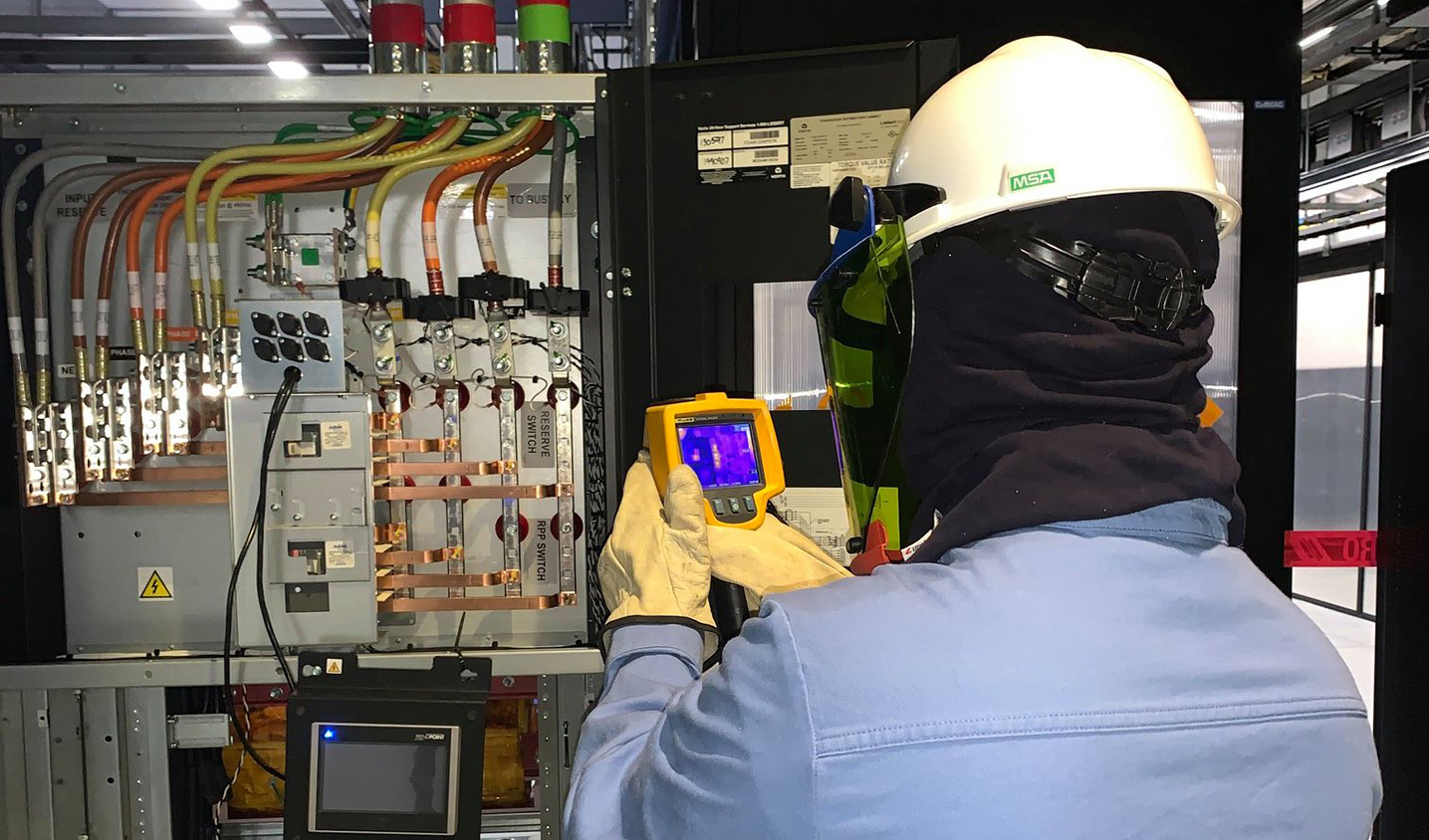
“An ounce of prevention is worth a pound of cure” is one of Benjamin Franklin’s many famous sayings. Franklin printed this saying in February 1735 in support of his point related to fire prevention. Infrared thermography helps electricians detect potential issues at an early stage. It’s a pound of cure that can help ensure your electrical systems operate as designed.
What is Infrared Thermography? - V2
Infrared Thermography (IRT) is “seeing” heat using special cameras. Virtually everything gives off invisible heat energy, called infrared radiation. IRT cameras capture this invisible heat and turn it into a colorful, dynamic image called a thermogram. The colors the thermogram displays represent different temperatures. Hot areas show up as one color (often red or yellow), and cooler areas show up as another (often blue or purple). Because the thermogram shows temperature differences, it can easily indicate hidden electrical or mechanical problems.
In short, IRT is a non-contact tool that allows professionals to see heat quickly and safely - which helps identify potential failures or defects before they become serious.
Why Use Infrared Thermography?
Infrared thermography has been around for some time. However, it has recently become the standard tool for diagnosing electrical issues.
Why the change?
The National Fire Protection Association (NFPA) last updated 70B (it defines and provides detailed scopes for preventive maintenance and field-testing methods) in 2023. That update “makes mandatory the inspection of all electrical equipment at least every 12 months, with equipment that meets the Equipment Physical Condition 3 requiring thermographic inspection at least every six months.”
So, the NPFA has mandated an ounce of prevention regarding electrical equipment - including infrared thermography. This mandate is rooted in the fundamental principle that electrical circuits generate heat. When electricity flows through a conductor, there’s always some resistance, which converts electrical energy into thermal energy. Think of it like water flowing through a pipe; if there’s a narrow spot or an obstruction, the water has to work harder and creates more friction. Similarly, in an electrical circuit, the greater the resistance, the higher the temperature. These conditions frequently occur at electrical connection points—where wires connect to breakers, bus bars, or other components. A loose connection, corrosion, or a faulty splice can all increase resistance, leading to localized hotspots that indicate poor electrical conductivity. Since infrared thermography detects and visualizes these temperature differences, it’s an ideal method for identifying potential electrical issues before they lead to equipment failure, power outages, or even fires.
Benefits of Infrared Thermography
Regular IR scanning can save companies money, boost productivity, and improve the bottom line by preventing unplanned outages before they occur. This is because infrared thermography allows for predictive maintenance, which is the most cost-effective “outage” a client can experience. By proactively identifying potential issues, companies can avoid costly downtime, ensure operations run smoothly, and increase safety.
Save Money
Detecting a problem early is a money saver in every area. Addressing issues with electrical systems before they become severe minimizes the impact on the equipment. Therefore, equipment replacement is less likely to be necessary. It will also extend the lifetime of the equipment and enable companies to delay investing capital in a new machine.
If the problem is detected early, it’s less likely to suffer severe damage. Because the equipment is less damaged, repair costs should be lower.
Raise Productivity
Unplanned outages can throw off schedules and damage the reputations of customers/clients with firm deadlines. While a problem with electrical systems that require repair may lead to a shutdown, the delayed production time is likely less impactful if planned.
If the electrical problem is detected early enough, it might be possible to delay the repair until work is slow.
When companies know a shutdown is coming, they can develop alternatives, so production doesn’t skip a beat.
Improve the bottom line
Manufacturers design equipment to operate in a specific way. So, while even a broken clock is right twice a day, properly maintained equipment will operate at peak performance. That could translate into increased productivity and/or less energy required for operation.
Both conditions are money savers and raise a company’s bottom line.
Early detection of issues and steady production help companies keep their promises to clients. When clients perceive companies as honest and dependable, they may decide to give them more business, and new clients are more likely to turn to them.
Increase safety
Early detection of issues elevates safety for company employees and service people. Again, infrared thermography detects the heat or radiation of an object. An overheating object can catch fire, explode, etc., endangering the workforce. It can also damage other equipment and set off a chain reaction.
When service people use infrared thermography, they make fewer touches of equipment that could be electrified and/or be at elevated temperatures. By using infrared thermography, service people can diagnose the problem before engaging the equipment. They can take appropriate steps and maintain safety despite the potentially dangerous situation.
Work with a Qualified Team
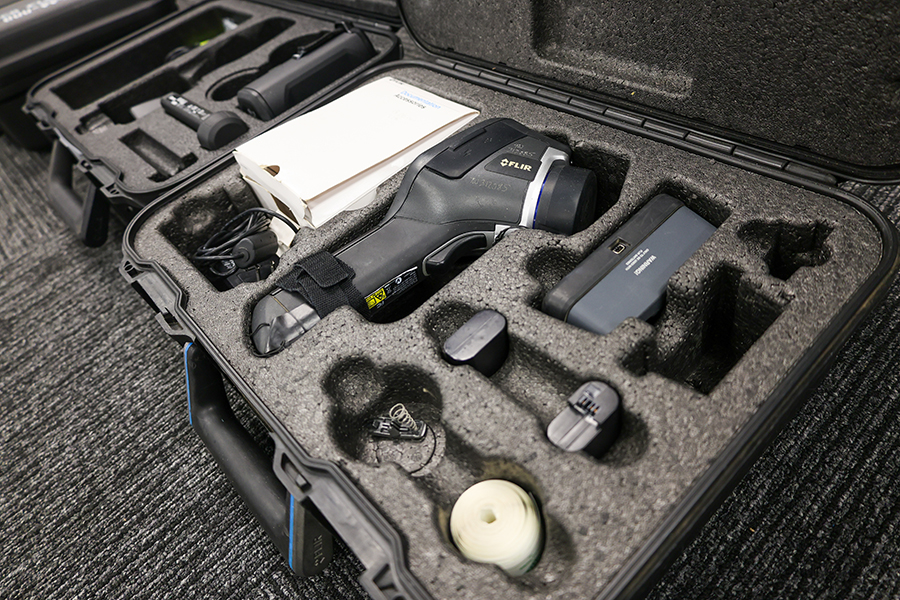
Performing a scan with infrared thermography is relatively simple (the location of the equipment impacts the difficulty level), presuming technicians/electricians use the right equipment properly.
However, there’s more to the process than simply scanning objects. A skilled thermographer must interpret and diagnose the thermogram. They understand infrared theory and recognize that external conditions, such as weather, impact the equipment.
At Miller Electric, we have a team of qualified electricians and full-time engineering staff who are ready and able to provide maintenance solutions for the entire lifecycle of your electrical infrastructure. They’re experts in infrared thermography.
Let our team, which is focused on safety and developing a tailored strategy that perfectly meets our client’s operational needs, help you keep your equipment functioning as designed.
Click here to learn more about Miller Electric’s maintenance services.